Do you love history as much as I do? Then this blog is for you!
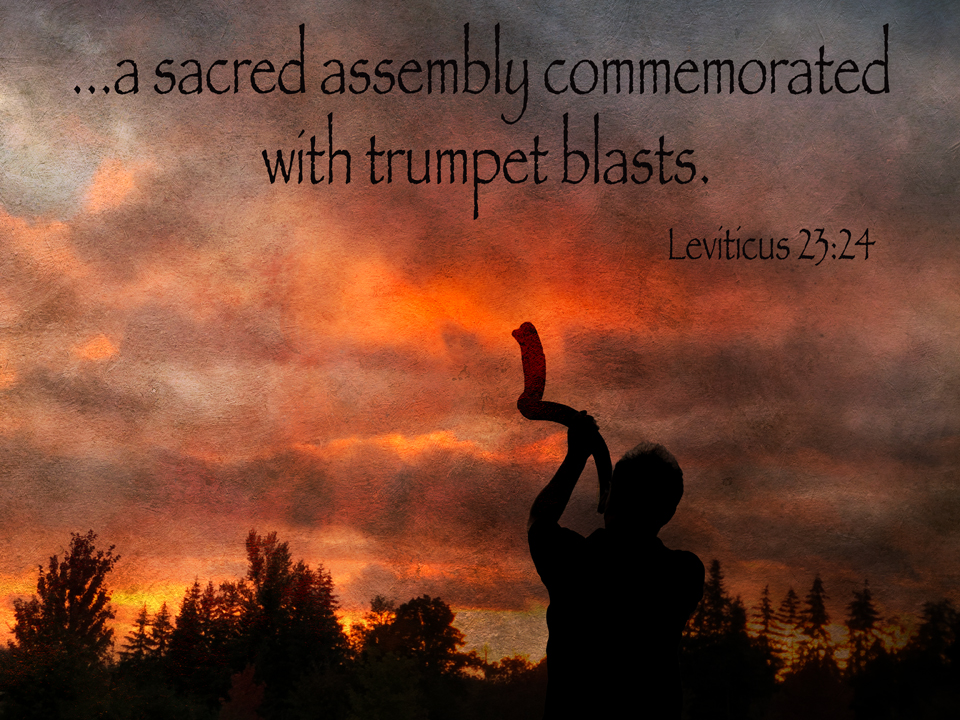
This time of year, your Jewish friends and neighbors are celebrating holidays. During the seventh month in the Hebrew calendar, corresponding to our September- October, there are three holidays. Rosh Hashanah, Yom Kippur, and Sukkot. September 22nd this year was Rosh Hashanah. Originally, God told Moses to set aside this first day of the seventh month for a day of rest, meeting together, offering food sacrifices, and blowing rams’ horns. (Leviticus 23:23-25). Later, tradition changed it to become the first day of the New Year. Counting from Creation, tradition holds that this is the year 5786. (Note that Torah, God’s Law, designated the first month of the year to be in the Spring, the month his people celebrated the first Passover and left Egypt.)
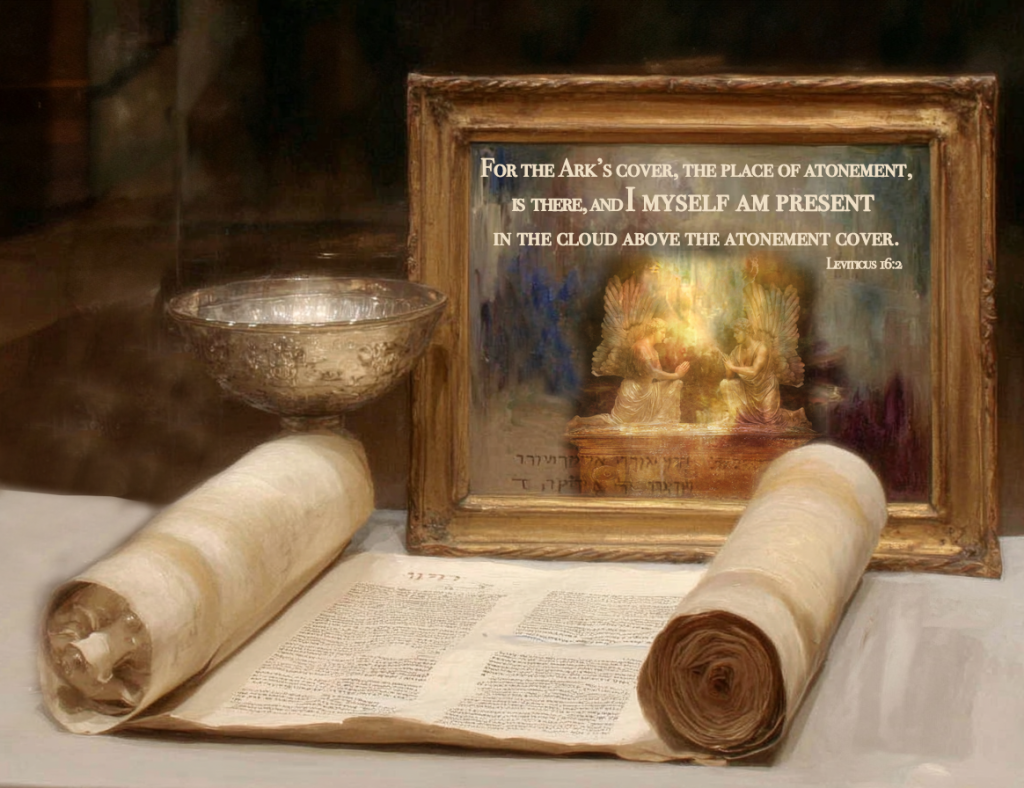
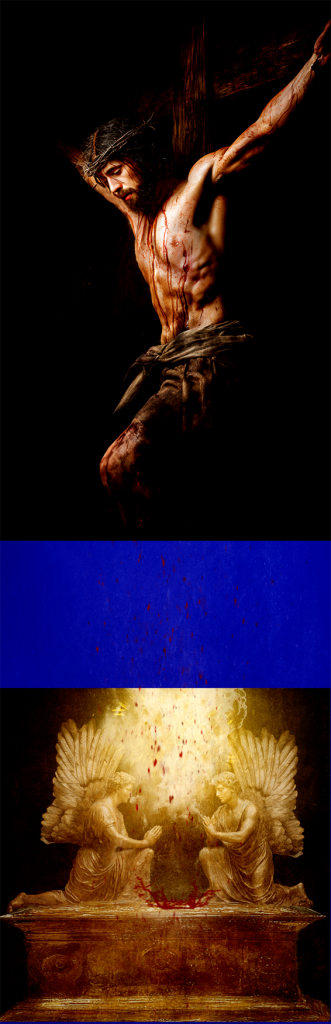
Last evening, October 1st, Yom Kippur, a day of fasting, introspection, and services commenced. God told Moses to observe this day as the Day of Atonement, the day God would forgive the wrongdoing of the people. He gave Moses this annual ritual to remind people that God willingly forgives, but they must come to him on his terms. Each year on the tenth day of the seventh month, certain animals had to be sacrificed by the high priest as a gory object lesson of the consequences of and remedy for wrongdoing. Bulls and rams were sacrificed, and there was a symbolic ceremony where two goats were chosen. One goat would be sacrificed. The other would have the sins of the people symbolically placed on it, and then it would be taken to the wilderness and released. The high priest took some of the blood from the sacrificed animals and symbolically purified objects used in worship. He put blood on the altar of sacrifice and on the sacred gold chest, the Ark of the Covenant, which was housed in the Tent of Meeting in a special place behind a curtain where only the high priest could enter, and then only once a year on the Day of Atonement. The most sacred part of the ark was the Atonement Cover, the place of mercy and forgiveness. On this lid, were two statues of angels bending over to look at the sacred place. Above it, God manifested his Presence in a visible cloud. Although God is present everywhere, his special presence was with his people at their place of worship, instituted by God himself.
The tent and its contents were carried with the people as they wandered in the desert, and after they conquered Canaan, the tent was set up at Shiloh. Much later, the Ark was taken by King David to Jerusalem. And finally it was placed in the grand Temple that Solomon built for it.
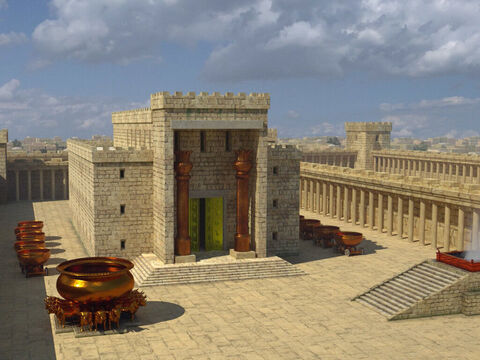
However, there is no mention of the Ark of the Covenant in Scripture after King Josiah commanded it be returned to the Solomonic Temple in 623 BC, recorded in 2 Chronicles 35:3. (Apparently, the faithful among the priests had removed the Ark when ungodly kings desecrated the Temple with idols and altars to false gods. We don’t know where they safely kept it until Josiah came to power and cleansed and repaired the Temple, making it fit for the Ark to return.)
About this time, God gave Jeremiah a prophecy about the Ark: “Return, faithless people,” declares the Lord, “for I am your husband. I will choose you—one from a town and two from a clan—and bring you to Zion. Then I will give you shepherds after my own heart, who will lead you with knowledge and understanding. In those days, when your numbers have increased greatly in the land,” declares the Lord, “people will no longer say, ‘The ark of the covenant of the Lord.’ It will never enter their minds or be remembered; it will not be missed, nor will another one be made.‘” (Jeremiah 3:14-16).
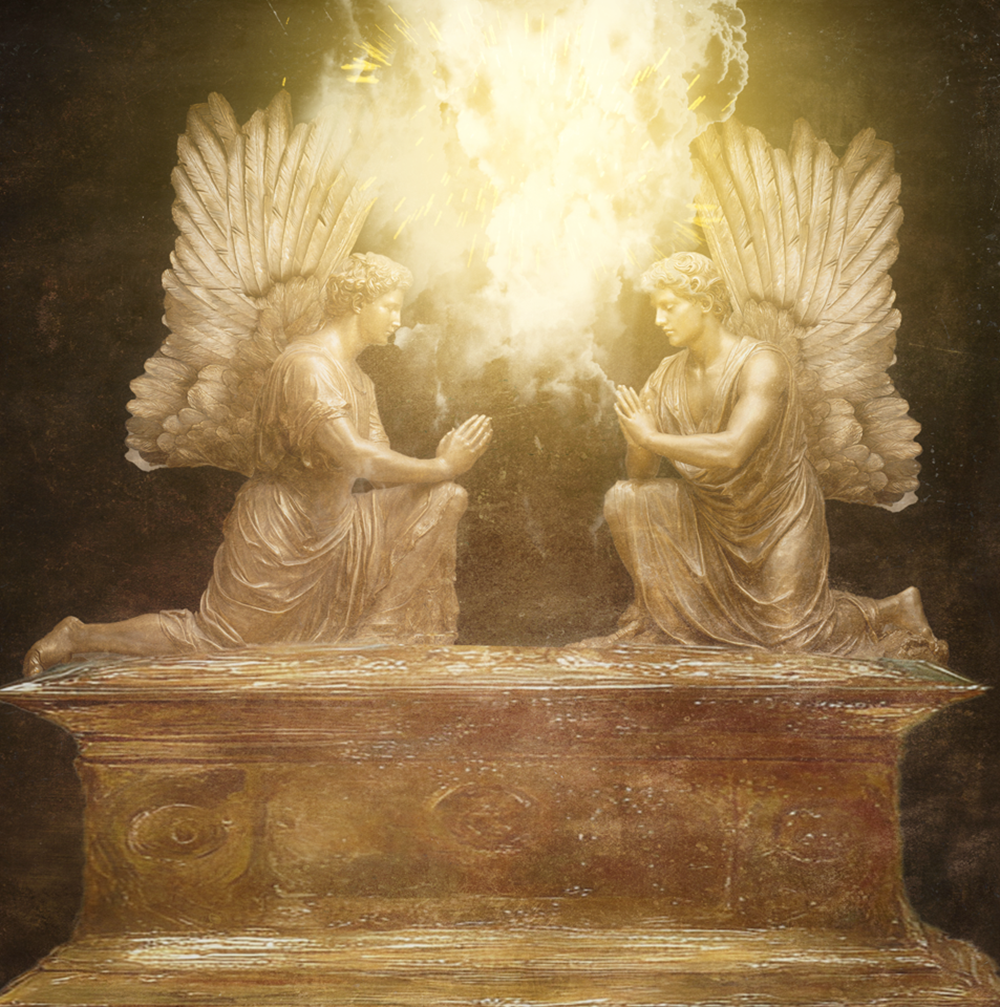
God was preparing his people for the time when there would be no Ark of the Covenant, and no possibility of coming to the Temple in Jerusalem for religious observances. He knew the time was coming for judgment, the consequences of his people’s unfaithfulness when he would have to remove his Presence from them. They would no longer have the blessing of the Ark, nor the Temple, nor the land. He would allow their enemies to take them away to a distant land where a remnant would still worship and obey him without the outward things that used to mark worship. He was preparing them for a faith without physical props. He was preparing them for a worldwide influence beyond the borders of Israel. He was preparing them for his Messiah.
After good King Josiah’s time, God brought the promised judgment by allowing the Babylonians to defeat Israel and Judah, sack Jerusalem, and destroy the Temple in 586 BC. The people were deported to Babylon, where they remained until King Cyrus gave them permission to return 70 years later. When Ezra rebuilt the Temple as God’s people returned from captivity, there was no ark to put in the Holy of Holies. Nor would there be much later when Herod rebuilt the Temple where Jesus worshipped and taught which was destroyed in 70AD and has yet to be rebuilt. For nearly two thousand years there hasn’t been a Temple or animal sacrifices.
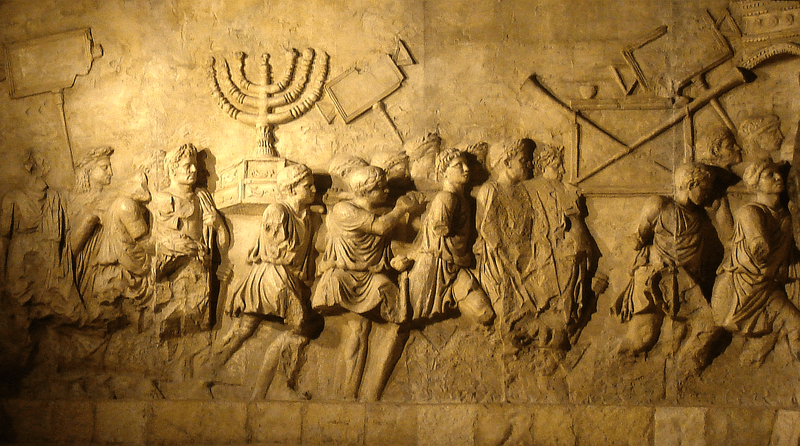
Christians believe that Jesus of Nazareth was the final High Priest who offered a blood sacrifice to atone for the sins of all who come to him, paying for our forgiveness with his own blood. This sacrifice did not need to be repeated. It was once for all people for all time. In this way, he instituted a new covenant between God and mankind. Physical places and objects were no longer needed in order to worship God. Nor were ceremonies necessary to receive forgiveness.
“The old system under the law of Moses was only a shadow, a dim preview of the good things to come, not the good things themselves. The sacrifices under that system were repeated again and again, year after year, but they were never able to provide perfect cleansing for those who came to worship. If they could have provided perfect cleansing, the sacrifices would have stopped, for the worshipers would have been purified once for all time, and their feelings of guilt would have disappeared.
But instead, those sacrifices actually reminded them of their sins year after year. For it is not possible for the blood of bulls and goats to take away sins. That is why, when Christ came into the world, he said to God,
“You did not want animal sacrifices or sin offerings.
But you have given me a body to offer.
You were not pleased with burnt offerings
or other offerings for sin.
Then I said, ‘Look, I have come to do your will, O God—
as is written about me in the Scriptures.’”Psalm 40:6-8 Septuagint
First, Christ said, “You did not want animal sacrifices or sin offerings or burnt offerings or other offerings for sin, nor were you pleased with them” (though they are required by the law of Moses). Then he said, “Look, I have come to do your will.” He cancels the first covenant in order to put the second into effect. For God’s will was for us to be made holy by the sacrifice of the body of Jesus Christ, once for all time.” Hebrews 10:1-10
For further reading:
*The contents of the Ark of the Covenant: the two stone tablets written by God’s hand listing the ten rules for living obedient, happy lives. It also contained a pot of manna as a reminder of God’s sustenance during the wilderness wanderings, as well as Aaron’s rod that grew flowers and almonds which was a sign to the people that God had chosen Aaron’s family to serve him as priests.