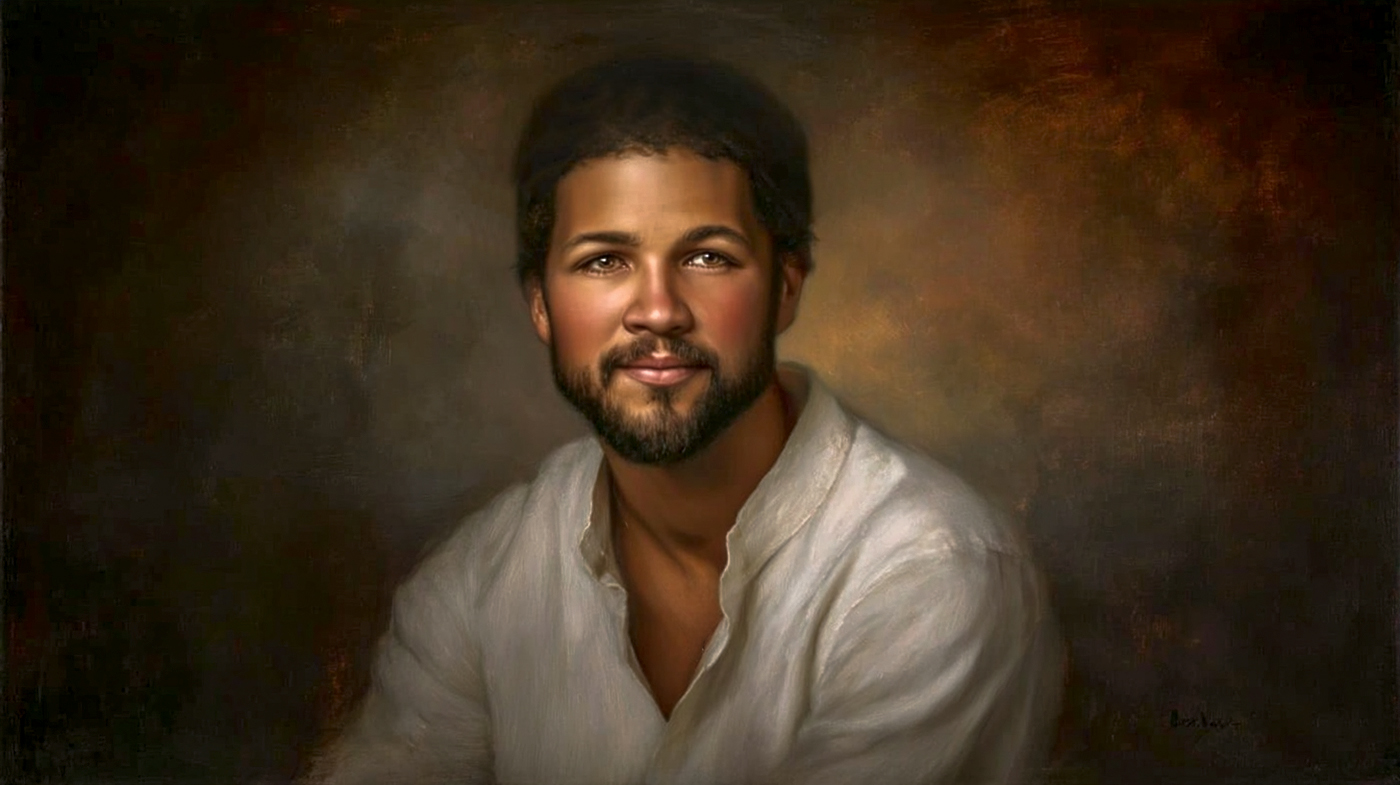
An old, respected pastor allowed his two sons to help lead his large church. Although he had served God and the people well, his sons didn’t care about anything but getting what they wanted. They abused the people and brought shame on the church. Yet their father refused to remove them from leadership. He was confronted twice, yet continued to allow them to profane God’s house. He lacked the courage to sever them from the church, apparently because he couldn’t bear to lose the relationship with his sons. It turned out that he was also benefiting from their thievery. In the end, both the younger men died suddenly. When their father received the shocking news, he died of a heart attack. A faithful, godly young man took their place and restored honor and safety to the church.
This is an oversimplified, modernized version of the Biblical account recorded in 1 Samuel. This is the sad story of Eli, the priest, who refused to discipline his sons who were abusing their roles as priests. They were forcing the people to give them any part of the sacrificial animal they wanted, even before the fat had been burned off as God had directed. The Torah gave certain parts of the sacrificial animals to the priest, other parts to be burned up as a sacrifice to God, and the rest was to be eaten by the family bringing it as a celebratory meal. But these young men weren’t satisfied with their appointed portion. They forced the people to give them whatever they wanted. Not only were they stealing from the people, but they were also stealing from God!
“. . . hand it over now; if you don’t, I’ll take it by force. This sin of the young men was very great in the Lord’s sight, for they were treating the Lord’s offering with contempt.” 1 Samuel 2:16-17

“Now Eli was very old, but he was aware of what his sons were doing to the people of Israel. 1 Samuel 2:22
Their father, the high priest, knew what they were doing. Yet he did nothing to make them stop. Perhaps he feared losing his relationship with them. So he only gave them a lecture which they ignored. He didn’t enforce any consequences. He allowed them to continue. He had the responsibility and power to stop them. He could have taken away their priestly positions. Instead, he joined in their sin by benefiting from their thefts from the people. He got fat on the stolen meat. So God sent a prophet to warn him.
“Why do you scorn my sacrifice and offering that I prescribed for my dwelling? Why do you honor your sons more than me by fattening yourselves on the choice parts of every offering made by my people Israel?” 1 Samuel 2:29
Eli didn’t listen to the man of God. He continued exactly as he had been, even after being warned. He didn’t change. Later, God gave Eli yet another warning. This time through young Samuel. But, again, no change.
“For I told him that I would judge his family forever because of the sin he knew about; his sons blasphemed God, and he failed to restrain them. Therefore I swore to the house of Eli, ‘The guilt of Eli’s house will never be atoned for by sacrifice or offering.” 1 Samuel 3:13-14

Eventually, both of Eli’s sons died prematurely on the same day just as God warned. Eli himself died upon hearing the news. The evil doers were removed.
“Those who honor me I will honor, but those who despise me will be despised (or accursed).” 1 Samuel 2:30
Even in this dark story, there is a bright light. A childless country woman who was fighting her own battles became the unexpected key to bringing a worthy man to lead the people. Her brave, selfless act of dedication to God stood in stark contrast to the spineless, selfish priest. Her name was Hannah. You know the story. God enabled her to usher in a new era for Israel.
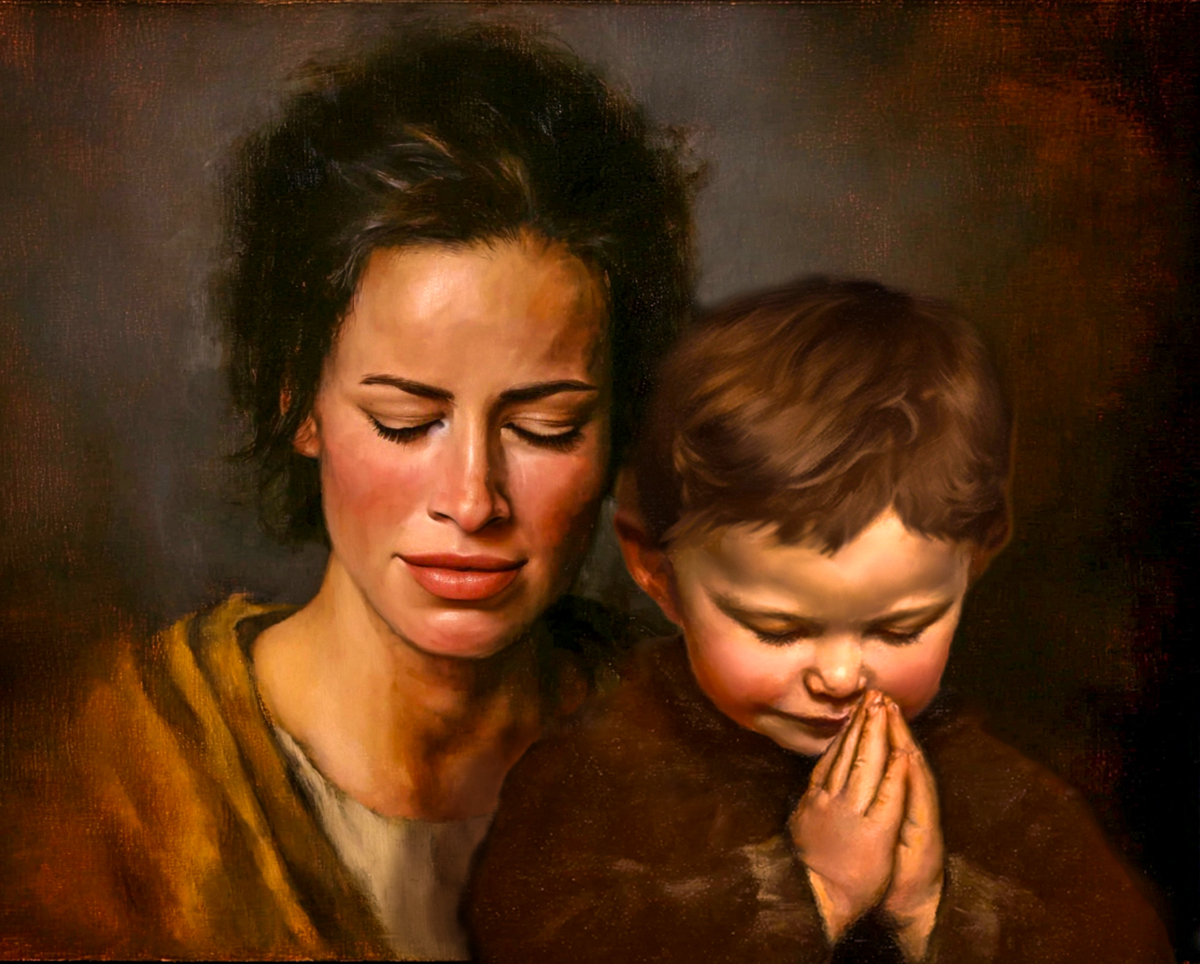
Eli had two sons. Hannah had no sons (or daughters).
Eli was afraid to lose his sons. Hannah willingly gave up her only son.
Eli put his comfort above obedience. Hannah endured discomfort to obey.
Eli honored his sons more than God. Hannah honored God above her desire to mother her son.
Eli didn’t stop his sons from disobeying. Hannah helped her son obey.
Eli was born into service for God. Hannah chose service for God.
Eli had every blessing. Hannah hadn’t received one of God’s biggest blessings.

Eli failed in his priestly commitment to God. Hannah sought God with all her heart.
Eli treated God’s laws with impunity. Hannah kept her personal vow at great cost.
Eli benefited from his sons’ sins. Hannah suffered for her son’s obedience.
Eli was warned, and still didn’t do the right thing. Hannah just did the right thing on her own.
Eli paid for his disobedience with the deaths of his sons, daughter-in-law, and his own life. Hannah was rewarded for her faith with six children.
Eli caused his offspring to suffer judgment. Hannah enabled her offspring to enjoy blessing.
Her son, Samuel, led with integrity and faithfulness- a man who did what God wanted.
“I will raise up for myself a faithful priest, who will do according to what is in my heart and mind.” 1 Samuel 2:35

We may not be ministry partners, or even business partners with our adult children. We aren’t the ‘boss’ of our adult kids. So our situation probably isn’t the same as Eli and his sons. We can’t control our adult kids because we have no responsibility/authority over them. But do we shy away from uncomfortable conversations with our kids because we fear losing a relationship with them? Are we putting our comfort above their well-being? Are we silent for selfish reasons? Are we afraid to risk the benefits we have from our kids? I don’t mean we should voice our opinion about everything our kids do. I mean if something needs to be said for their spiritual good, are we brave enough to bring it up? Are we wise enough to say it and then leave it alone and let them handle it between them and God as the prophet and Samuel did with Eli? Are we like Hannah who stepped back and let her son become what he was destined to become without insisting on hovering? Are we allowing others to pour into our kids? Are we letting our kids step up and take responsibility, developing their own gifts and their own relationship with God? There’s a balance that only God’s Spirit can guide us into- speaking and disciplining when it’s our responsibility and letting go when it’s appropriate. Both will bring discomfort, and great blessing!
Read the story: 1 Samuel chapters 1-3
The very sad story of undisciplined children.
I think I mentioned I talked to our son about his relationship with Jesus when he was home recently. Waiting on how the Lord will work in his life.
We’ll pray with you for your dear son. You did your part. So glad we can leave these things to the Lord, who is the good Shepherd.
I love the way you contemporized the experience of Eli and his two sons, Grace, and appreciated the pertinent questions for our relationships with our adult children. Your conclusion reminded me of Hebrews 12:5-11. Conflict can cause unpleasantness, just like discipline. But it can also produce a harvest of righteousness and peace.
Thank you for bringing the Hebrews 12 passage to our attention, Nancy! Yes, so true.